Vitiligo

dermapics.com
...
illustrating
dermatology
 |
Vitiligo:
a
short
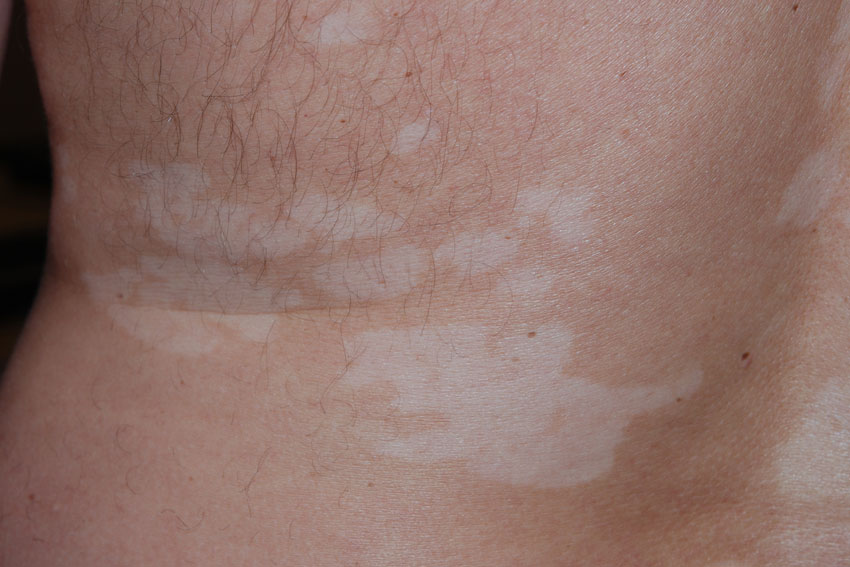
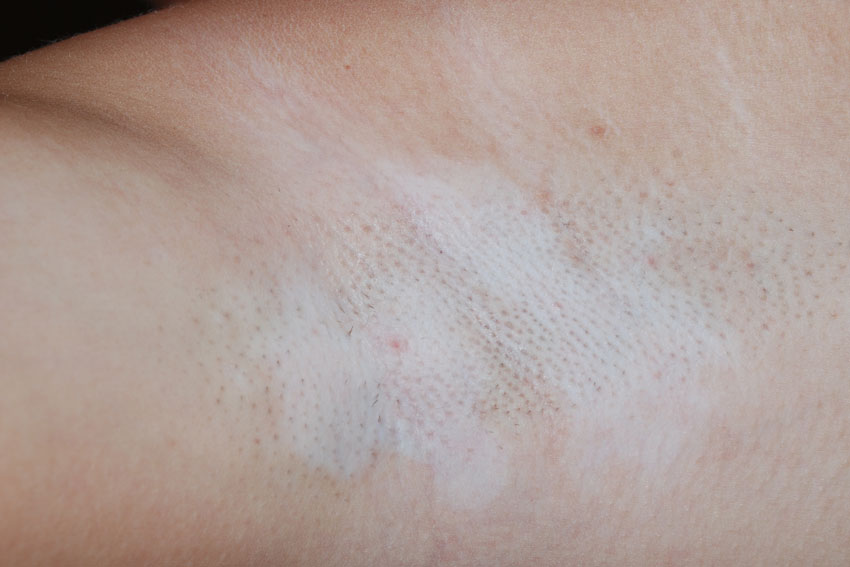
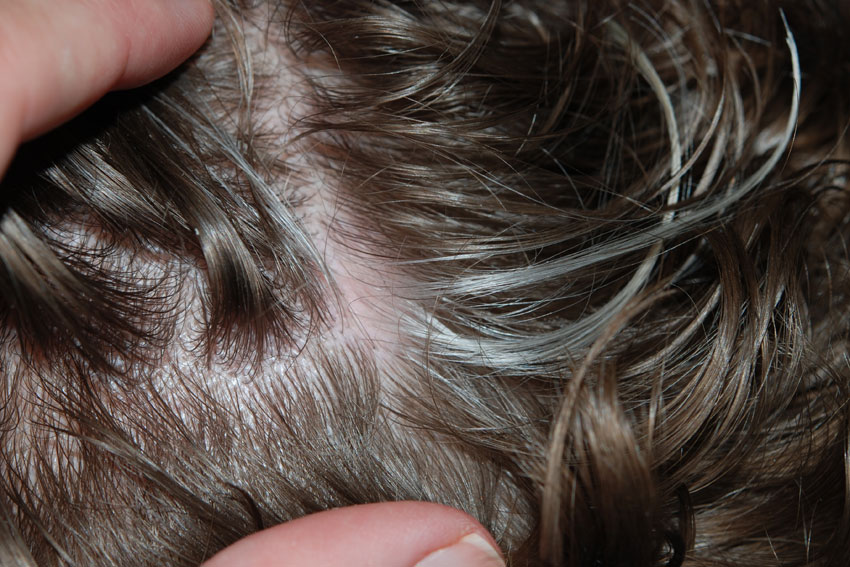
introduction. What is vitiligo? Vitiligo is an autoimmune disease that leads to the destruction of melanocytes (the cells that produce the pigment in the skin). This results in white patches of skin. The disease occurs in all races and around 1% of the population is affected. Symptoms of vitiligo With the destruction of the melanocytes irregularly shaped depigmented patches appear on the skin. Any part of the skin may be affected. The most common areas are the face, hands, genitalia, the armpits and the groin. Vitiligo on the scalp may lead to depigmentation of the hair (see picture below). Injury to the skin (such as superficial wounds) can trigger new vitiligo lesions. Diagnosis of vitiligo In most cases of vitiligo the dermatologist is able to diagnose vitiligo immediately on the base of the characteristic depigmented patches. People with vitiligo have a greater risk of having or developing other autoimmune diseases such as diabetes and thyroid disease. Laboratory tests to confirm or exclude these diseases can be performed. Treatment Topical steroid cream and topical calcineurin inhibitors may in some cases reverse the vitiligo proces.This treatment is mainly effective in the early stages of vitiligo. UVB and PUVA phototherapy can also be helpful, particularly when many areas of the skin are affected. Transplantation of one's own pigmented skin into vitiligo areas and transplantation of the patient's own melanocytes that are grown in the laboratory are relatively new and promising treatment options. Protection of the skin Because depigmented skin can not tan when exposed to the sun the skin needs extra protection against sunburn. Sunburn in areas of normal skin can induce new vitiligo lesions. Other types of damage to the skin can also lead to spreading of vitiligo, therefore protection against mechanical injury is important. |
||||
 |
|||||
 |
|||||
|
|||||
|
|||||
| a-z index disclaimer |
©
dermapics.com
|
||||