Senile warts

dermapics.com
...
illustrating
dermatology
 |
What
is
a
senile
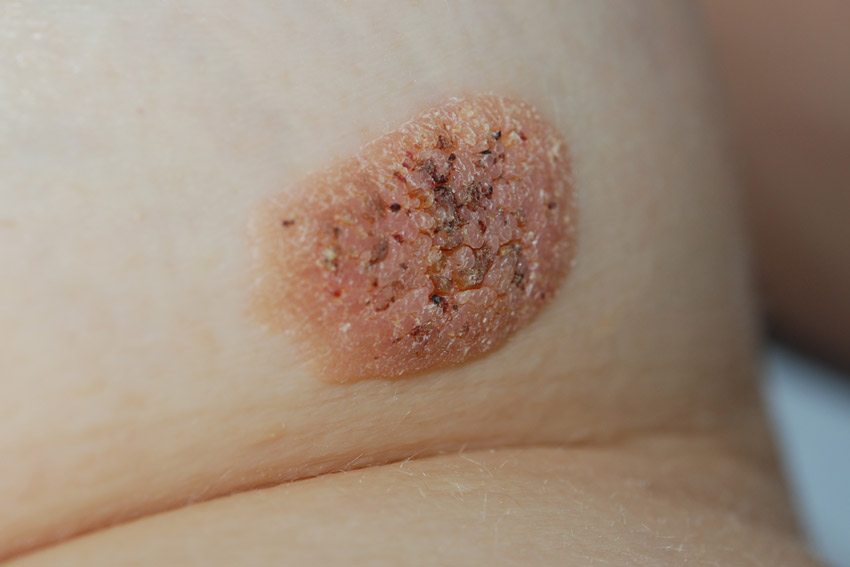
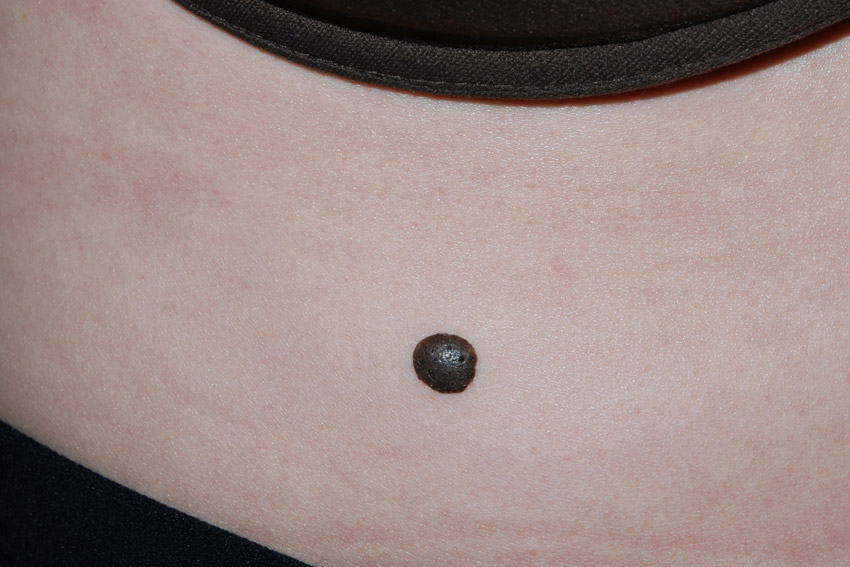
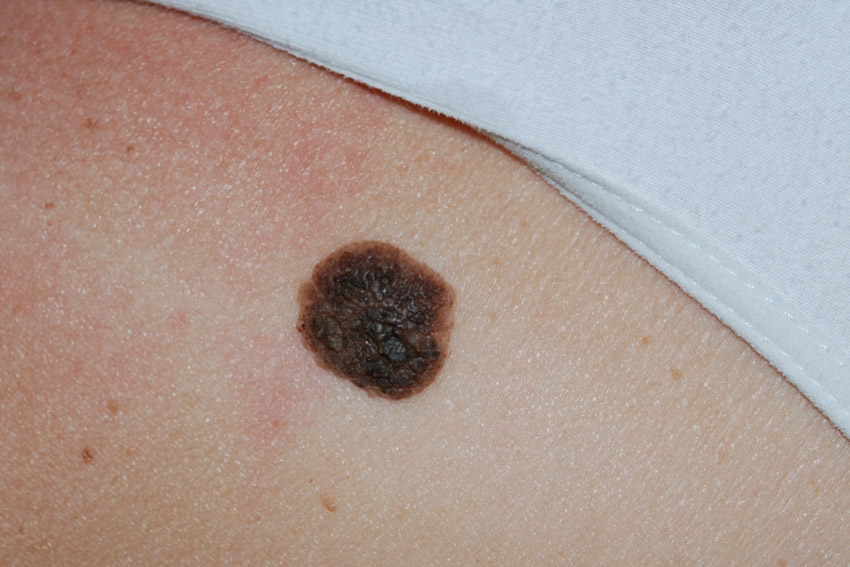
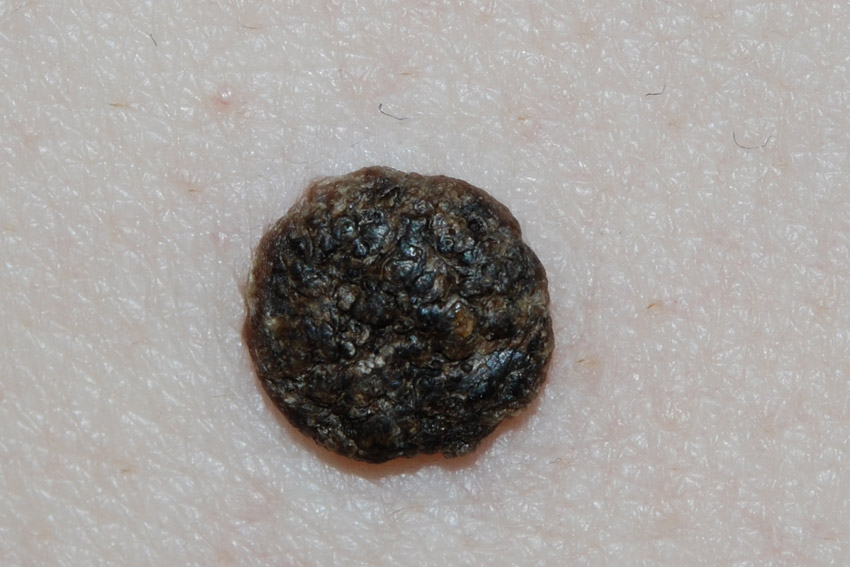
wart? Senile warts are extremely common harmless skin lesions that appear during adult life. Senile warts may also be called seborrhoeic or seborrheic keratoses. Other names are basal cell papillomas and brown warts. Symptoms of senile warts Senile warts often begin as slightly raised light brown spots or papules. They may remain very flat but they may gradually thicken and develop a rough, warty surface. In many cases they slowly darken and may eventually turn black. These colour changes are harmless. Many senile warts retain a pinkish colour. Typical for senile warts are the small keratin plugs that can be seen on the surface of the wart. What is the cause of senile warts? The cause of seborrhoeic keratoses is not known. They are generally considered to be degenerative in nature, appearing in larger numbers in the course of the skin aging process. It is supposed that UV light exposure increases the possibility for development of seborrhoeic keratoses. Eruptive senile warts may denote an underlying internal malignancy (sign of Leser-Trelat). This condition however is very rare. Treatment Treatment of seborrhoeic keratoses is easy. They can be removed by curettage, cryotherapy or laser surgery. The choice of treatment depends mainly on the size, thickness and location of the wart. Recurrence of lesions after treatment is possible. |
||||
 |
|||||
|
|||||
 |
 |
||||
|
|||||
| a-z index disclaimer |
©
dermapics.com
|
||||